
If you’ve recently stubbed your toe or dropped something heavy on it and now find yourself wondering how to know if your toe is broken, it’s important to recognize the signs early to prevent further injury and ensure proper healing.
Learning to distinguish between a bruise, a sprain, and a full-bone fracture is essential for proper care. This blog from Fall Creek Foot & Ankle will explain how to know if your toe is broken, describe what a broken toe looks like, and guide you through what to do next if you suspect a toe fracture.
What Causes a Broken Toe
Your toe can break (fracture) under several conditions:
- A direct blow or trauma (dropping something heavy on the toe or stubbing it hard) is a frequent cause. If your pain extends beyond the toe or you suspect additional injury from impact, learn more about trauma to the top of the foot here.
- Repetitive stress or overuse (especially in athletes) can cause hairline cracks or stress fractures.
- Underlying health conditions (weak bones, deformities, metabolic issues) can increase risk of fracture.
How to Know If it’s a Broken Toe
Visible and Physical Signs
Here’s what you might notice if you’re wondering what a broken toe looks like:
- Immediate or worsening pain at the time of injury. You may even hear a pop or crack.
- Swelling, bruising, or unusual discoloration (purple, blue) that may spread beyond just the toe. Swelling is one of the most common symptoms after a toe injury. For practical ways to reduce it safely, read our guide on managing foot swelling.
- The toe may look crooked, out of alignment, or point differently than the same toe on the other foot.
- Inability or severe difficulty moving the toe, bending it, or putting weight on it.
- Numbness, tingling, or coldness in the toe, these may signal more severe injury or compromised circulation.
Pain & Functional Clues
- Pain that lingers beyond a few hours or days rather than improving.
- Pain that worsens when walking or standing compared to when resting.
- If you cannot put weight on your foot without severe discomfort or limping, the chances of fracture increase.
When It Might Just Be a Bruise or Sprain
It’s worth knowing the difference:
- With a sprain, the toe usually still maintains some movement and isn’t markedly misaligned.
- A bruise may involve some swelling and pain but lacks the severe alignment change, inability to move, or persistent intense pain associated with fractures.
Responding to a Broken Toe
Immediate Steps You Can Take
Even before seeing a specialist, here’s what you should do:
- Rest your foot and avoid putting weight on the injured toe if possible.
- Ice the area in 15–20-minute intervals (wrapped towel between ice and skin) to reduce swelling.
- Elevate your foot when sitting or lying down to help reduce swelling.
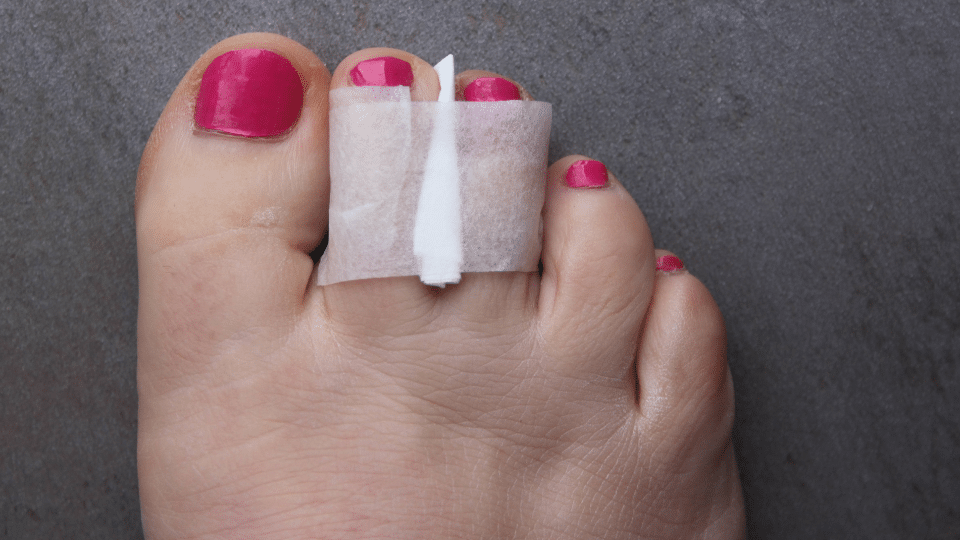
- Protect the toe; wear a shoe with a firm sole and roomy toe box or consider buddy-taping the injured toe to its neighbor for light fractures.
When to See a Podiatrist
You should seek professional care if:
- The toe is pointing at an odd angle, or you see bone protruding through the skin.
- You have numbness, tingling, or very cold toes compared with the others.
- You can’t walk or put weight on your foot comfortably.
- You suspect the fracture involves the big toe (especially since it carries more weight and affects gait).
- Pain, swelling or bruising persists more than a few days without improvement.
- You have diabetes, poor circulation, or nerve issues, these require more caution.
If your symptoms aren’t improving or you’re unsure about the severity of your injury, it may be time for a professional evaluation. Learn the key signs that you should see a foot and ankle specialist.
Healing & Preventing Long-Term Complications
Most broken toes will heal within 4-6 weeks if properly treated. However, full recovery depends on the type of fracture, your overall health, and whether you followed proper care. If neglected, a broken toe may heal incorrectly (malunion), cause persistent pain, limited mobility, or even arthritis.
To support healing and help prevent future injury:
- Choose well-fitting shoes with a wide toe box and good support. Wearing the right footwear can make a big difference in both recovery and prevention. For expert advice on choosing supportive shoes, explore our detailed shoe guide.
- Protect your feet during activities that risk trauma or repetitive stress.
- Address health issues that might weaken bone (nutrition, bone density).
- After your foot has healed, gradually return to full activity rather than rushing.
Taking the Right Steps Toward Healing
So, how do you know if your toe is broken? The answer often comes down to recognizing a pattern of clear symptoms: persistent pain that doesn’t improve, swelling or bruising, limited movement, and visible changes in alignment. In other words, pay close attention to what your body is telling you.
At Fall Creek Foot & Ankle, we encourage you to seek professional evaluation if you suspect a broken toe. The earlier you act, the smoother your recovery and the less risk of long-term problems. Don’t ignore the pain or hope it will simply go away, let us help you restore your foot health and get back to comfortable, confident walking.